02-2039-2575

Services

Here are the areas of care at Dr. Cat, a hospital for cats only.

View fees →
Center

Our centers in detail

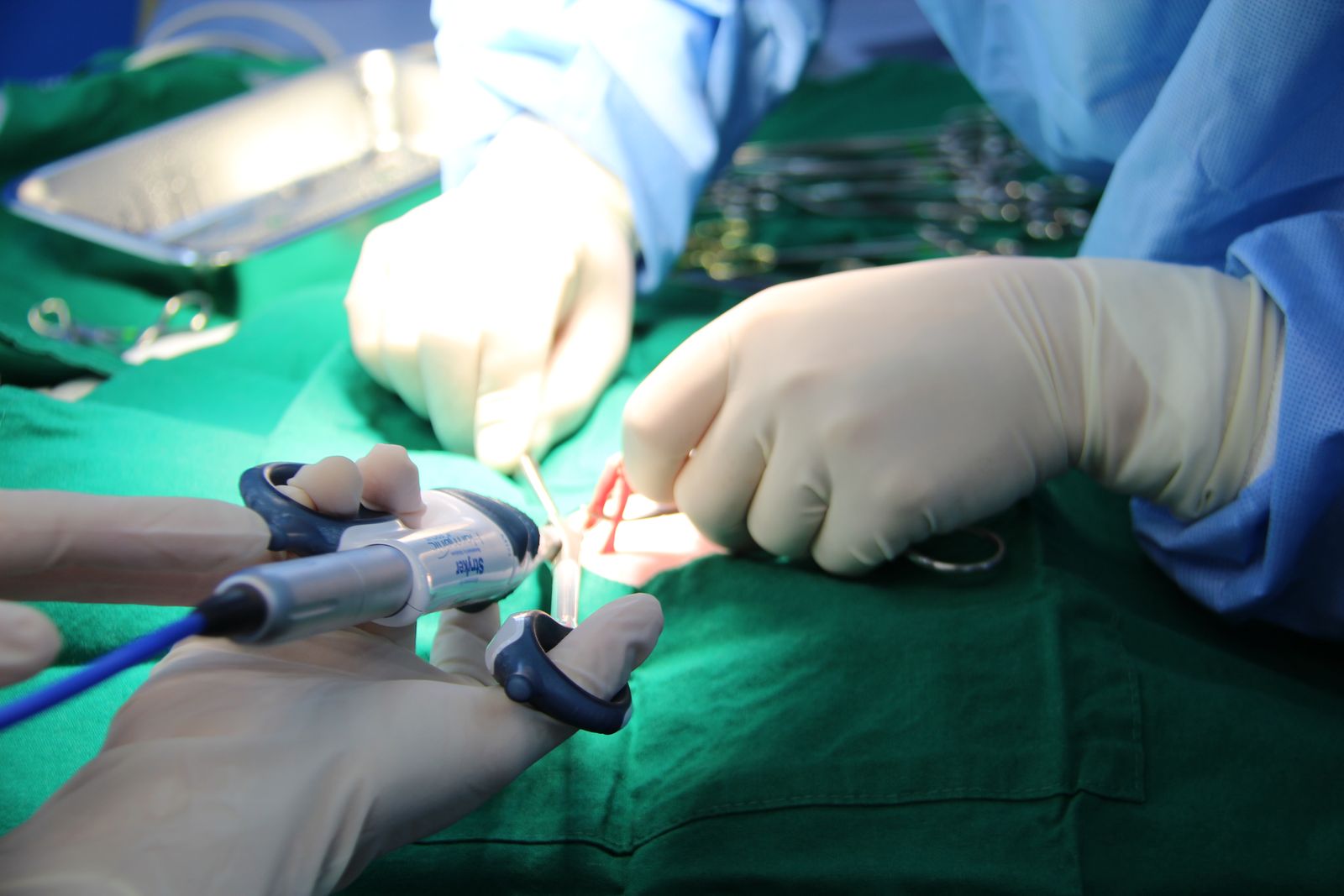
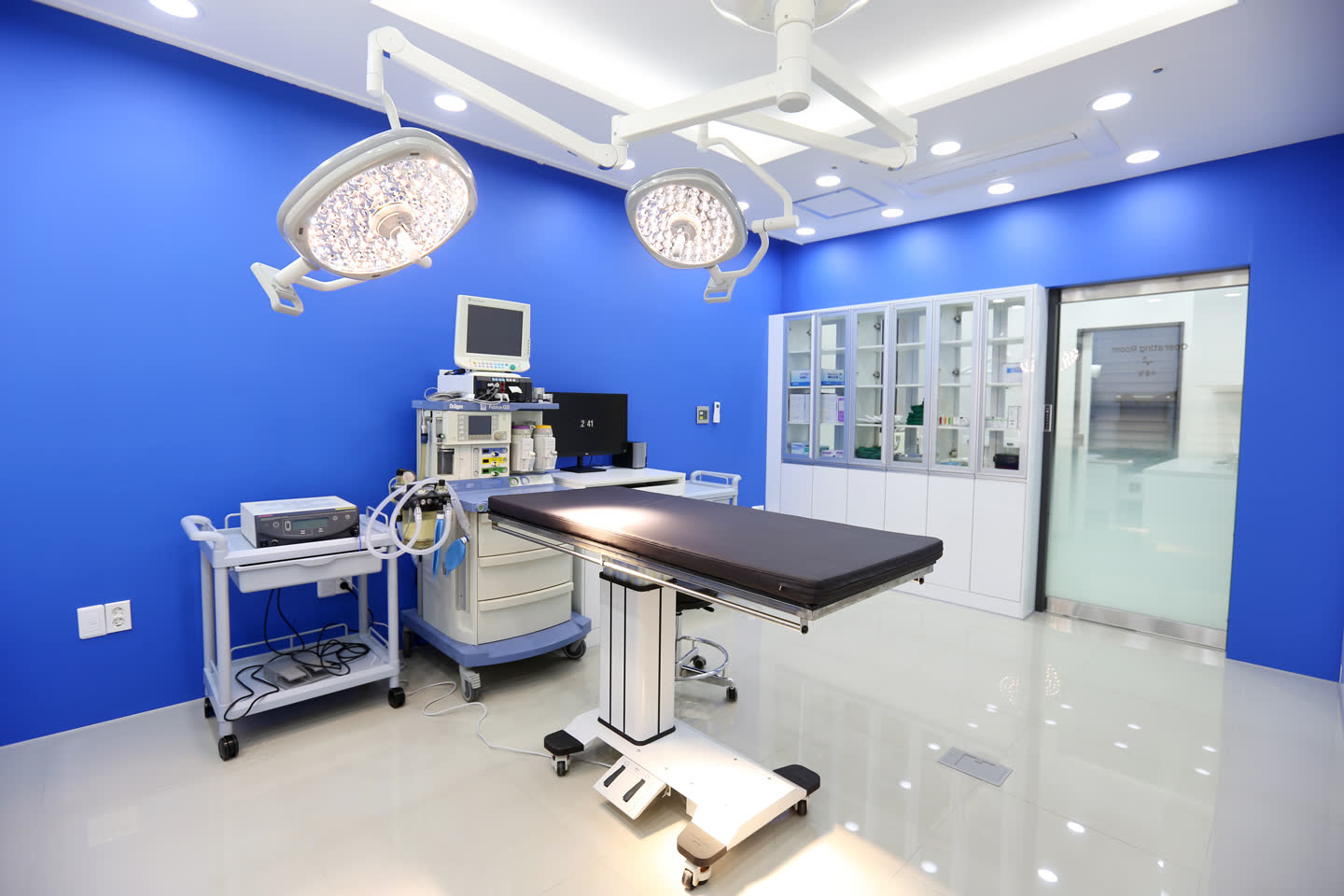
Operating room with surgical lights and anesthesia equipment

Surgery optimized for cats.

Spay/Neuter & Preventive Care

  1. 1Minimal incision (about 1 cm), less bleeding and pain control

    • We keep the incision as small as possible, so it is barely visible.
    • Our LigaSure device seals and cuts at the same time, so there is less bleeding, little bruising and a quick recovery.
    • Cats feel pain too, so we do everything we can to reduce it.
  2. 2In the morning, home in the afternoon

    • Surgery is short, so cats who come in the morning go home in the afternoon.
    • There is no need to give oral medication after surgery.
  3. 3A spacious, modern operating room and sterilization facilities

    • Our operating room is optimized for cats.
    • Veterinary inhalation anesthesia and anesthesia monitors let us watch your cat throughout surgery.
    • Before every surgery, all instruments and equipment are disinfected for 100% sterility.
  4. 4Problems spaying and neutering prevent

    • In males, it reduces urine spraying around the home and running away.
    • In females, it prevents excessive calling and pyometra and mammary tumors.
    • Spaying before the first heat prevents over 90% of malignant mammary tumors.
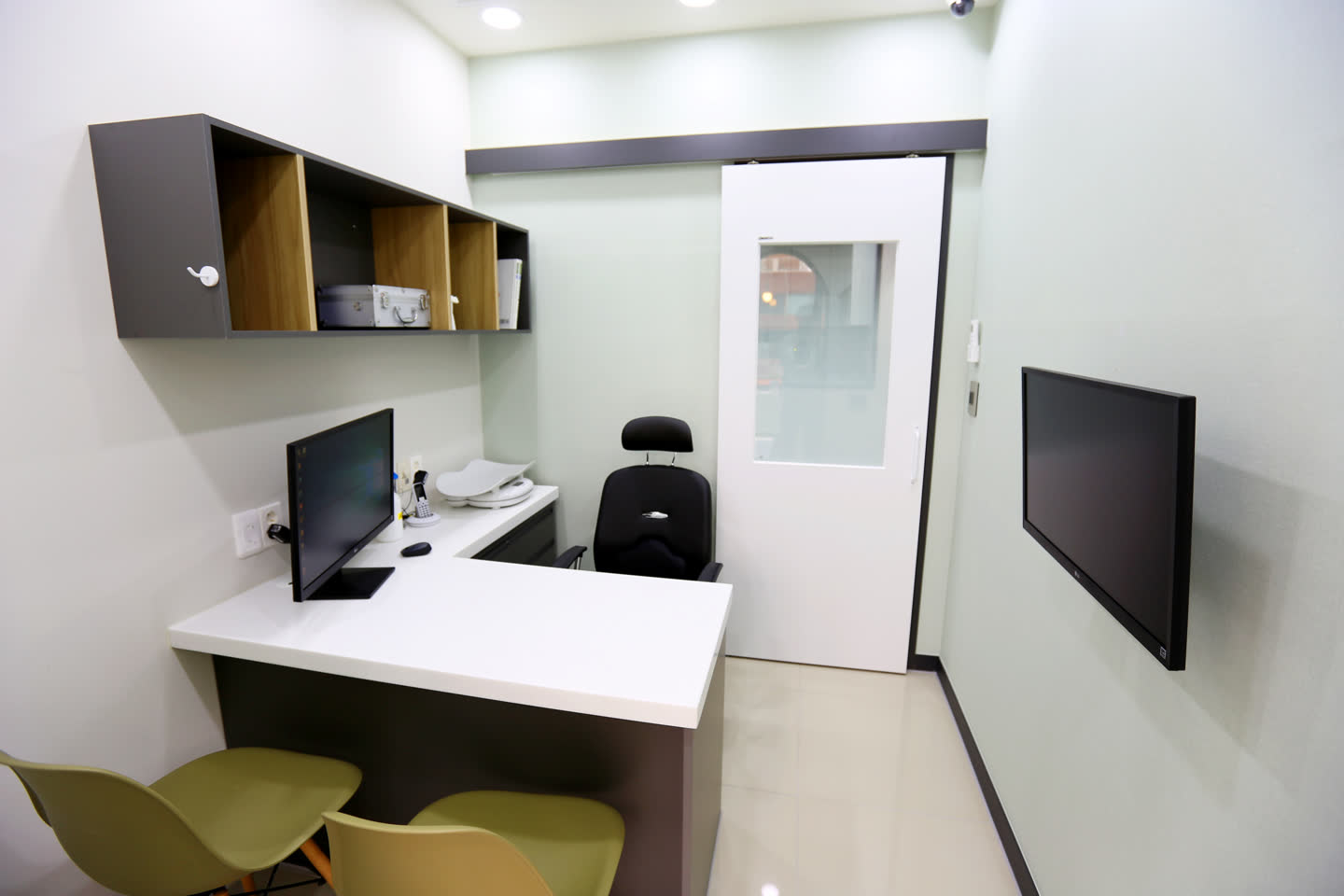
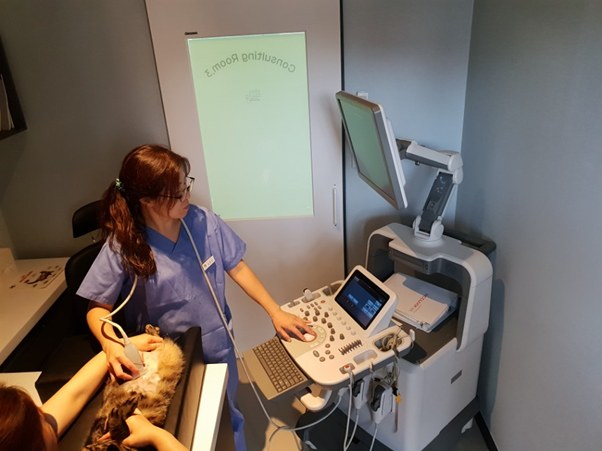
Consultation room with a desk and monitor

At Dr. Cat, same-day testing and results take just 3 hours!

Feline Check-up Center

  1. 1Vets who know cats

    • 27 years of treating only cats, and every one of our vets lives with cats.
    • Long experience lets us interpret check-up results with real insight, read the small signals your cat sends and tailor the tests to your cat.
  2. 2Modern equipment for cats

    • We have equipment for the main feline diseases, such as kidney failure, cystitis, heart disease, thyroid disease, pancreatitis and diabetes.
    • University-hospital-grade diagnostic equipment lets us run tests quickly and keep waiting short.
  3. 3Check-ups matched to age

    • From age 3, we recommend a yearly check-up even if your cat seems well.
    • From age 5, a life-stage check-up with a thyroid hormone test is a good idea.
    • From age 10, every 6 months, or more often for cats with chronic conditions.
  4. 4What we check

    • Physical exam, body condition (BCS), skin and coat, mouth and blood pressure
    • Blood counts, chemistry and electrolytes, plus early kidney screening (SDMA), heart marker (proBNP), thyroid hormone, inflammation and pancreas tests
    • Chest and abdominal X-rays, abdominal and heart ultrasound, urine and stool tests, eye pressure and ear exams
    • Dental check with a veterinary dental unit and digital dental X-ray
  5. 5Before the visit

    • We plan each check-up to suit your cat's age and health through a visit or phone consultation beforehand.
    • Fasting is needed for blood tests. We will tell you how long when you book.
    • To ease check-up stress, we prescribe calming medication to give before the visit.
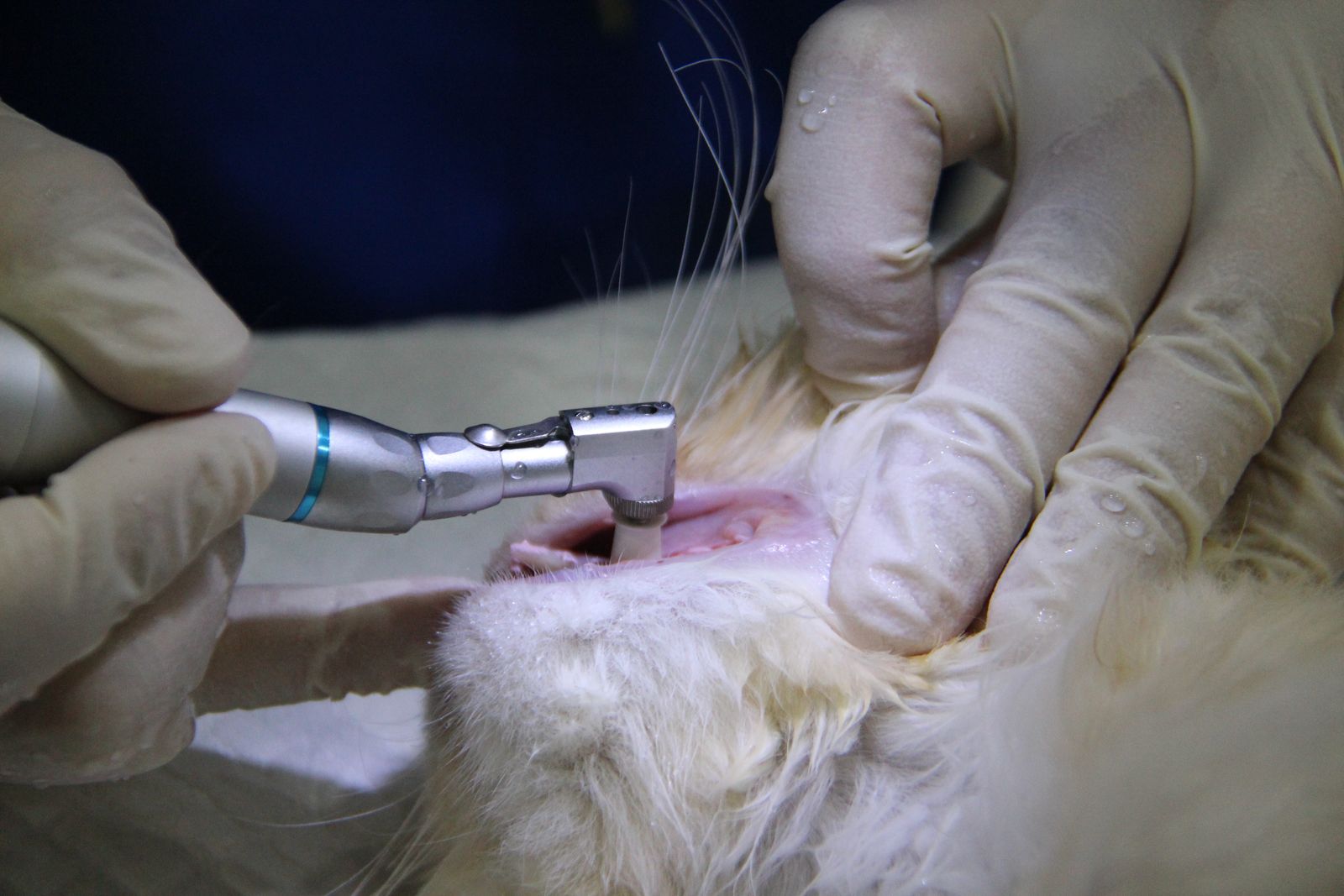
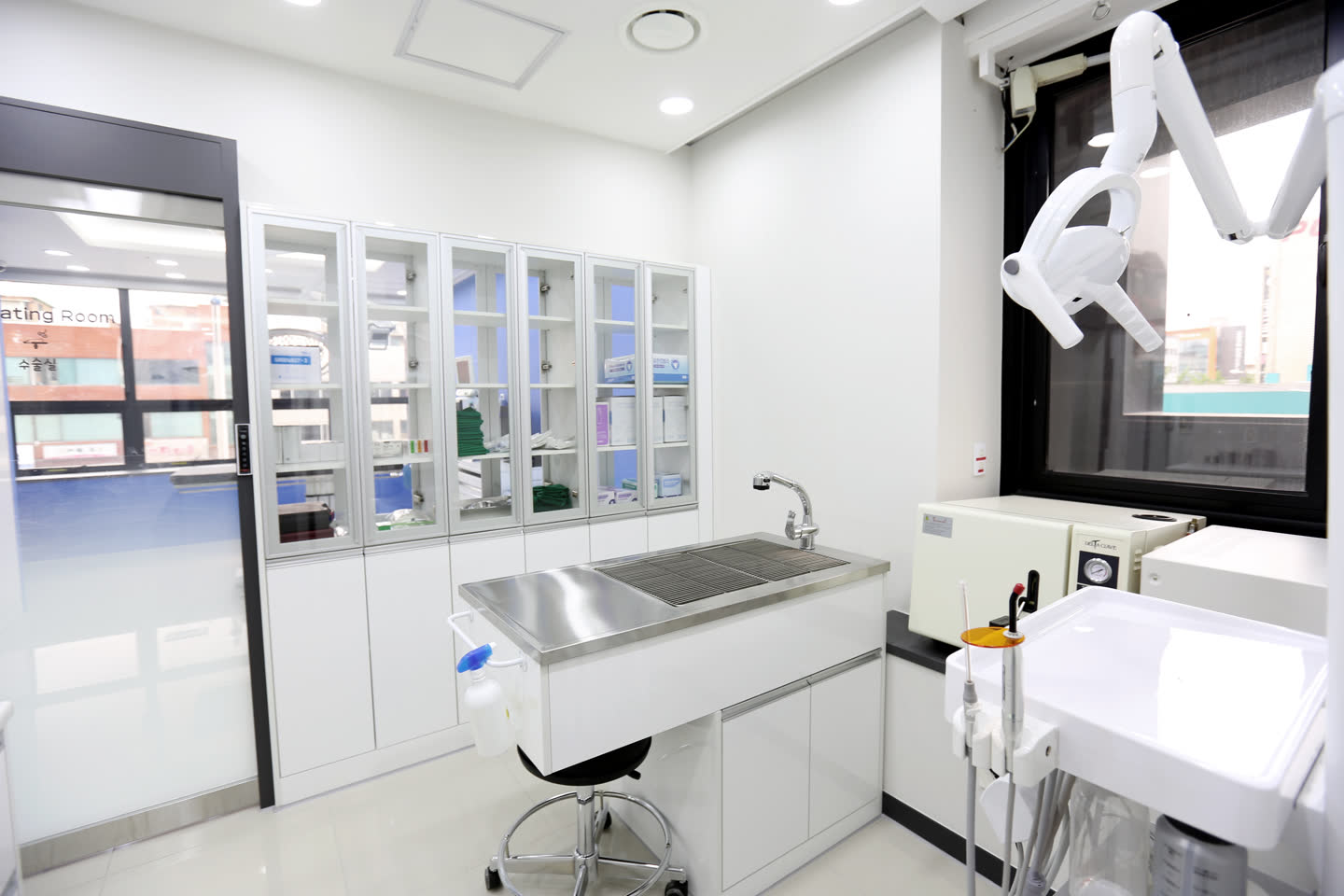
Dental operating room with dental X-ray and dental unit

Feline Dental Center

  1. 1Consultation

    • Please talk to us if you see red, swollen gums, bad breath, drooling or a messy mouth area.
    • Eating less or refusing dry food can also be a sign of dental disease.
    • Before treatment, we check for underlying conditions first.
  2. 2Testing

    • We examine the mouth, gums, teeth and tartar, and run dental X-rays and pre-anesthetic tests.
    • Tooth resorption (FORL), common in cats, starts at the root below the gum line and can only be confirmed with dental X-rays.
  3. 3Treatment

    • A Dräger anesthesia machine and anesthesia monitors let us anesthetize safely and watch closely throughout. We have 27 years of feline surgery and anesthesia.
    • We treat with dental equipment suited to cats, including digital dental X-ray and KaVo handpieces. For painful tooth resorption and severe stomatitis, extraction is the most reliable treatment.
    • After extraction, we take another X-ray to make sure no roots remain.
  4. 4Recovery

    • IV fluids and pain care (4-wavelength laser therapy) before and after treatment support recovery.
    • Most cats are free of pain after extraction and eat even better.
    • We recommend a dental check once a year, or every 6 months for senior cats and cats with chronic conditions.
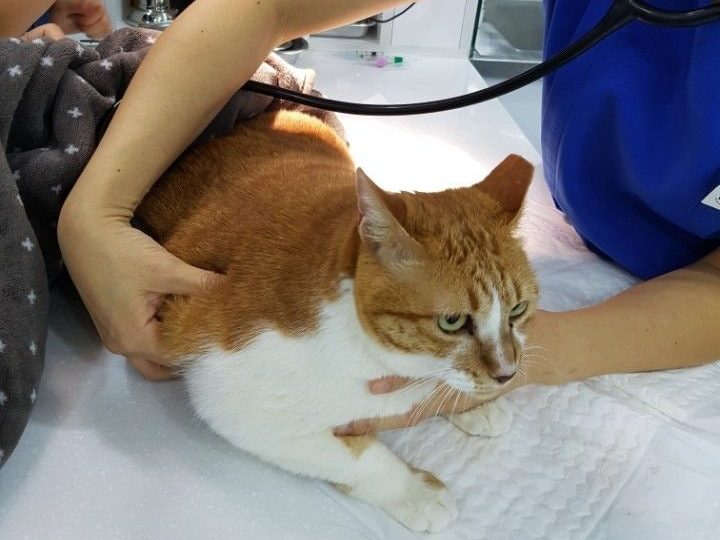
A veterinarian listening to a cat's heart with a stethoscope

Feline Heart Center

  1. 1Consultation

    • We listen closely to the symptoms, run a cardiac biomarker test and check for other conditions.
    • The proBNP heart marker test needs just a drop of blood and takes under 10 minutes.
    • For breeds prone to heart disease, such as Ragdolls, Maine Coons and Persians, we recommend testing even without symptoms.
  2. 2Testing

    • University-hospital-grade echocardiography, ideal for heart diagnosis, and heart function tests confirm the diagnosis.
    • Auscultation, chest X-ray and ECG complete the picture.
  3. 3Management

    • Based on the results, we provide treatment tailored to your cat and a plan for regular check-ups.
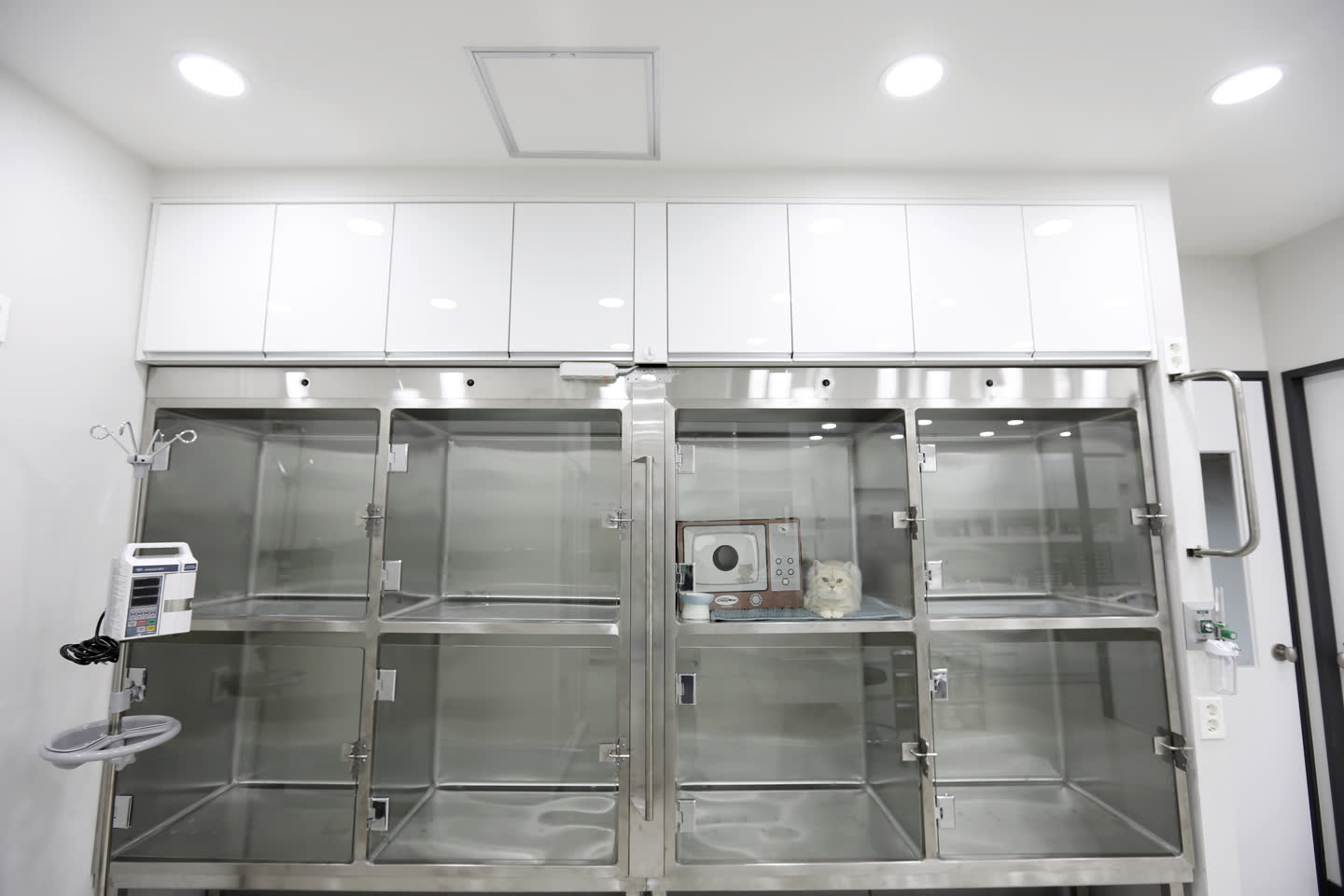
Ward with cat hospital cages

Feline Infectious Peritonitis (FIP) Center

  1. 1Diagnosis

    • FIP often has unclear signs, so we analyze test results together with symptoms to diagnose it.
    • There is a wet form with fluid in the abdomen or chest and a dry form with eye or neurological signs. It mostly affects cats under 2 and senior cats.
  2. 2Treatment

    • We build a tailored treatment plan from the results and symptoms, with pain management.
    • We follow each case drawing on a high treatment success rate and many treated cases.
  3. 3Follow-up

    • After treatment, we stay with you through a plan to prevent relapse, consultation and ongoing care.
    • Using unproven drugs on your own can make things worse. Please talk to a vet first.
Waiting area with window seats

Senior Cat Clinic

  1. 1Small changes can be signs of illness

    • We watch for small changes in everyday habits: eating, drinking, using the litter box, sleeping, grooming and play.
    • Sleeping more, eating less or hiding more may not just be age.
  2. 2Five common causes in senior cats

    • Dental disease and chronic kidney disease
    • Degenerative arthritis: hesitating to jump, avoiding stairs, grooming less
    • Endocrine disease such as hyperthyroidism and diabetes, and tumors
  3. 3Managing several conditions together

    • Senior cats often have kidney disease, thyroid disease, high blood pressure and heart disease at the same time, so we treat with all of them in mind.
    • From age 15, we recommend a check-up at least twice a year.
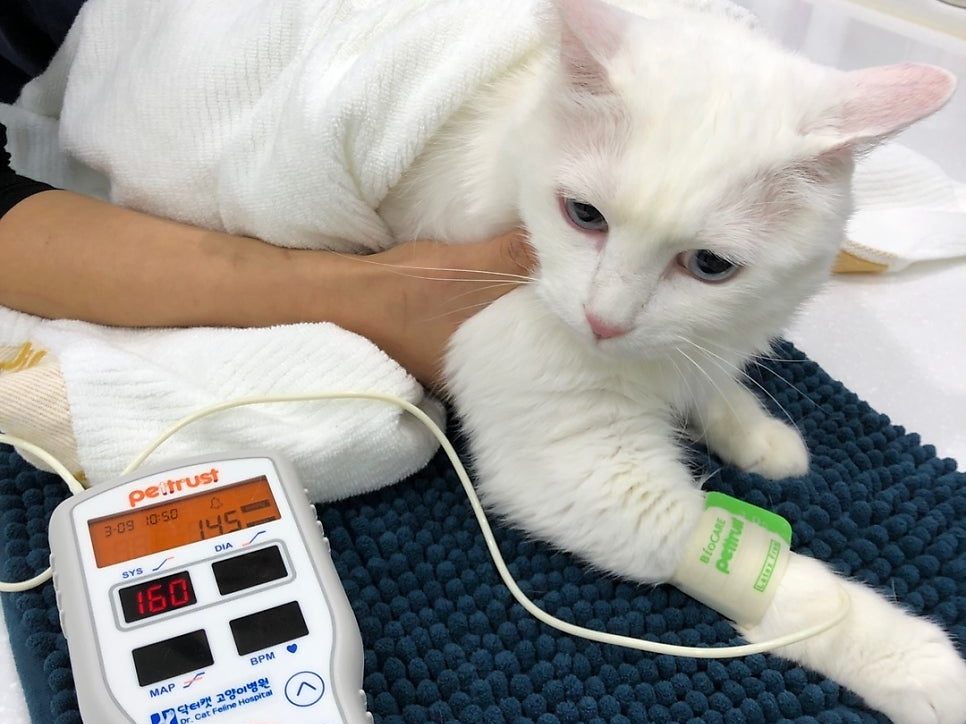
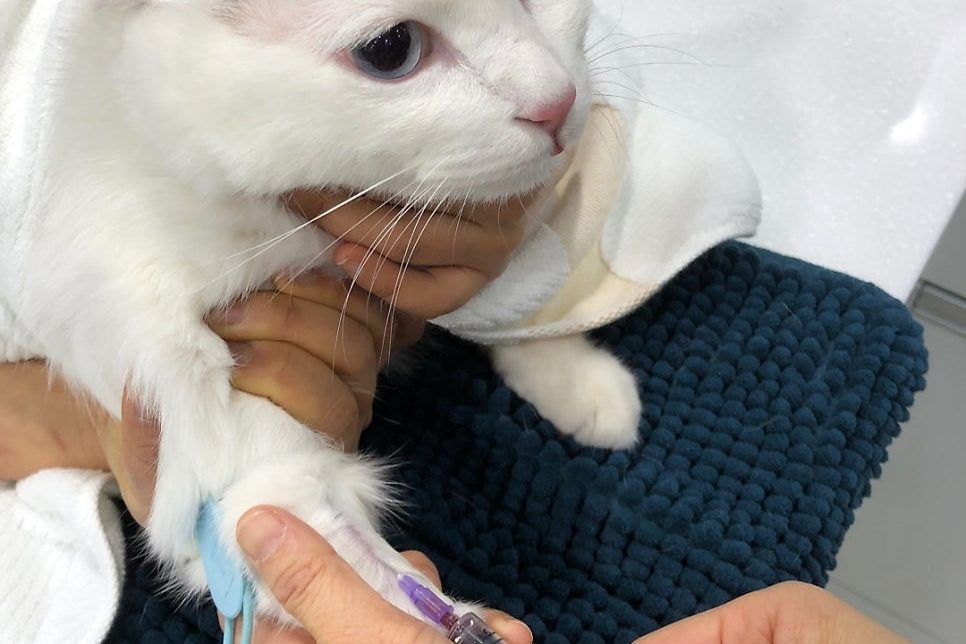
A white cat having its blood pressure measured with a Doppler monitor

Feline Kidney Disease

  1. 1A disease to catch early

    • About 1 in 3 cats over 10 has kidney disease.
    • Clear signs usually appear only after more than 75% of kidney function is lost, and damaged kidneys do not recover. If your cat drinks and urinates more, or loses appetite and weight, have the kidneys checked.
  2. 2Early diagnosis

    • The SDMA test can detect disease from 25–40% kidney damage, earlier than routine blood tests.
    • With IDEXX Catalyst One, we get results quickly in the hospital without sending samples to a lab.
    • We combine urine tests, kidney ultrasound and blood pressure for an accurate picture, and follow progress with regular ultrasound.
  3. 3Care by stage

    • We manage the disease by the international IRIS stages 1 to 4.
    • Diet, hydration, medication and supplements aim to slow its progress.
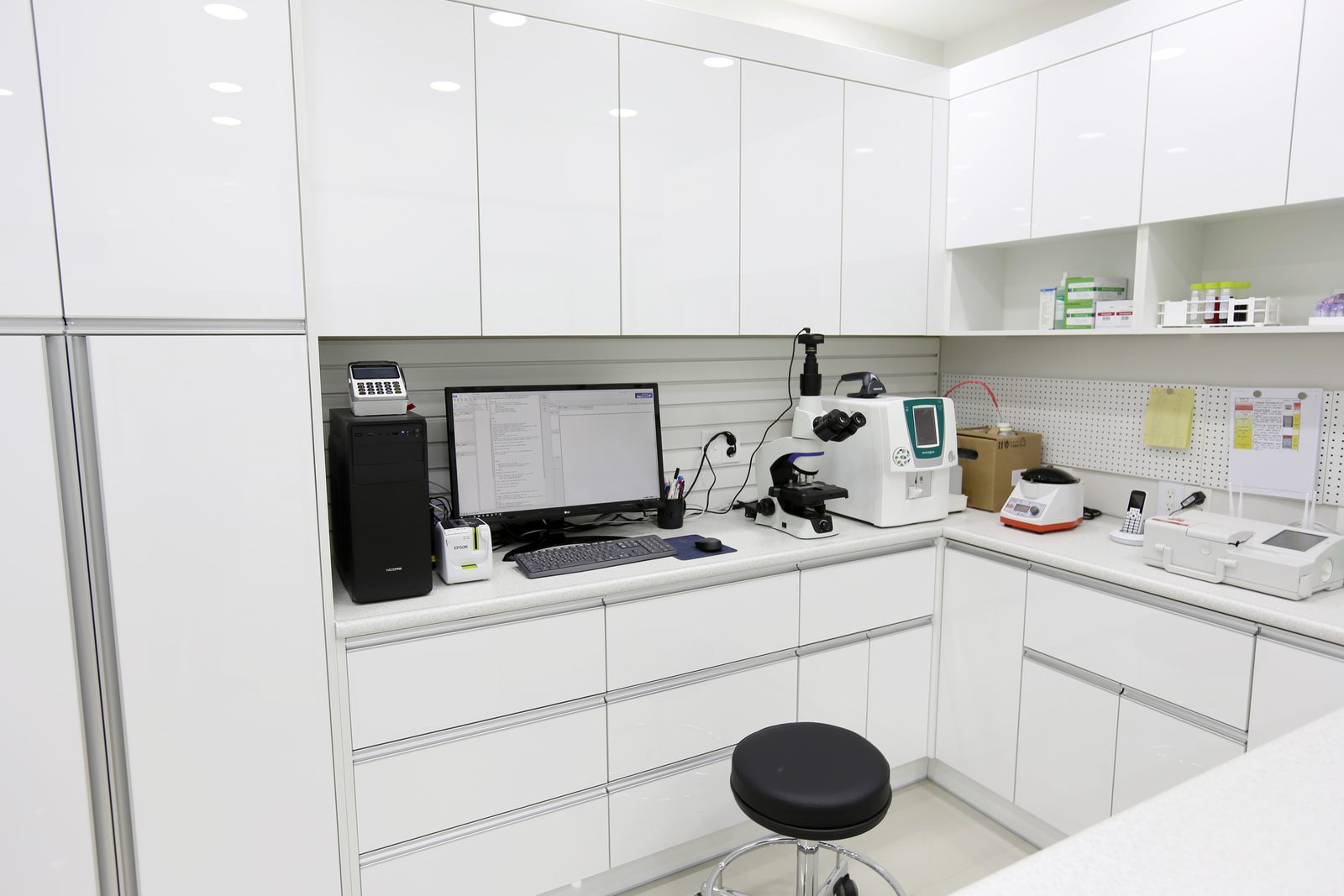
In-house lab with a microscope and blood analyzers

Feline Diabetes & Thyroid Disease

  1. 1Diabetes can improve with early treatment

    • Typical signs: drinking more, urinating more, losing weight despite a good appetite, and low energy.
    • It is most common in overweight, less active male cats from middle age.
    • With early, focused treatment, many cats keep normal blood sugar even after insulin is stopped.
  2. 2Accurate glucose assessment

    • Because stress alone can raise a cat's blood sugar, we recheck in a low-stress setting.
    • We use glucose curves to choose the insulin type and dose, and adjust as your cat responds.
  3. 3Hyperthyroidism

    • It mostly affects cats over 10. Suspect it if an older cat eats more and becomes more active, yet loses weight.
    • A blood test for thyroid hormone (T4) confirms it, and we recommend treatment such as medication or diet to suit your cat.
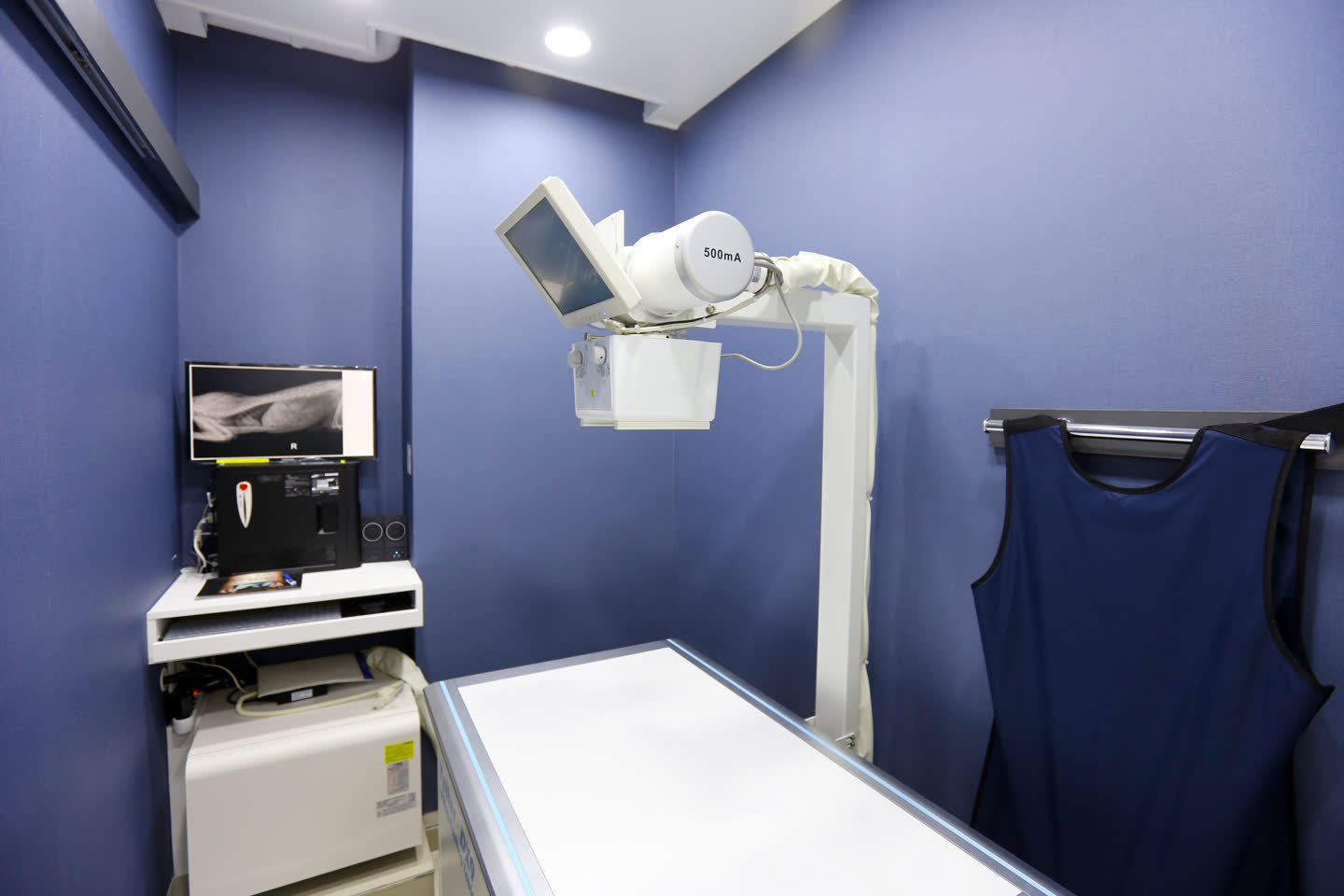
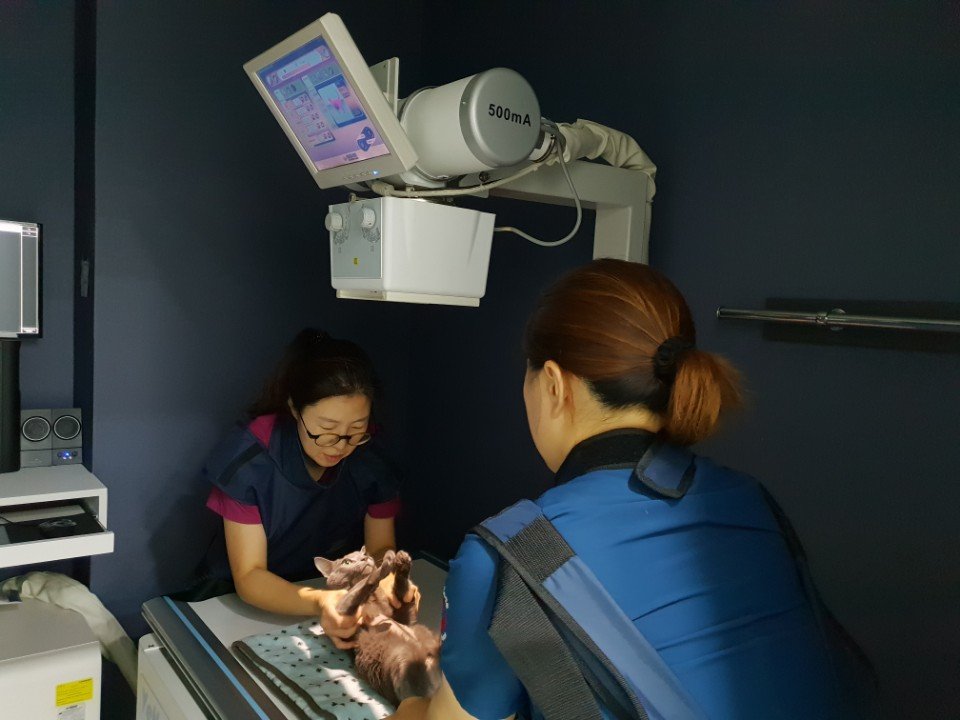
X-ray room

Feline Tumors

  1. 1Check even small lumps

    • Small lumps on the skin often turn out to be tumors. The smaller they are when found, the more treatment options there are.
    • Tumors inside the body cannot be seen from outside, so regular check-ups are important.
  2. 2Accurate diagnosis

    • A cell test under the microscope identifies the type of tumor.
    • Blood tests and X-ray, ultrasound and veterinary CT show whether it has spread, so we can plan treatment.
  3. 3Mammary tumors can be prevented

    • Mammary tumors in cats are mostly malignant.
    • Spaying before the first heat prevents over 90% of malignant mammary tumors.
How a visit works

  1. 1

    Call to book

    Book a time by phone. For urgent cases, please call first too.

  2. 2

    History & examination

    We listen to you, then examine your cat once it has settled.

  3. 3

    Tests if needed

    We explain any tests before doing them, and only do what is needed.

  4. 4

    Results & care plan

    We go through results, treatment and care at home.

Key equipment

Veterinary CT
Detailed diagnostic imaging
Ultrasound & digital X-ray
Heart, abdomen and chest exams
Dräger anesthesia station & GE monitor
Safe anesthesia and monitoring
LigaSure vessel sealing device
Seals and cuts at once, less bleeding
Fixed dental X-ray & KaVo dental unit
Dentistry down to the roots
4-wavelength laser therapy
Supports pain and inflammation care

Equipment list to be confirmed by the hospital.

See our equipment

Checklist

Before your visit

  • Get your cat used to the carrier beforehand. We recommend one that opens from the top.
  • For sensitive cats, calming medication prescribed before the visit reduces stress.
  • Visits are by appointment. Please call to book before you come.
  • Getting your cat used to going out makes the trip to the hospital less strange.
  • Covering the carrier with a towel helps your cat stay calm.
  • Bring previous test results or current medications if you have them.
  • If a check-up or anesthesia is planned, ask about fasting when booking.
Call to book 02-2039-2575