Dr. Cat is a hospital that treats cats only.
- 1
Cats hide pain well. We listen to you first so that small changes are not missed.
- 2
For 27 years we have treated only cats, adapting our pace and space to them.
- 3
We explain tests and treatments clearly and make decisions together with you.
An ISFM-accredited
Gold Cat Friendly Clinic
The International Society of Feline Medicine (ISFM) assesses waiting, consultation and hospital environments, cat handling and staff training, and accredits Cat Friendly Clinics at Bronze, Silver and Gold levels. Gold is the highest level.
Cat Friendly & Stress-Free
Even cats who hate the vet are fine at Dr. Cat.
No dog scents or sounds
We treat only cats. Clinics that see dogs cannot fully block their scent and sound, even with separate areas. Our staff avoid strong fragrances.
A large waiting area
Plenty of space means cats do not come into contact with unfamiliar cats.
No resident animals
Animals kept in a hospital can spread infection, so we keep none.
Roomy wards with hides and litter boxes
Hospital cages are set at a comfortable height with hiding boxes, litter boxes and places to perch, and covers for anxious cats.
Calm sounds and scents
Consultation rooms have quiet sliding doors, and we use calming feline pheromones.
Unhurried care
Rather than restraining cats, we give them time to settle and examine them gently.
Six ways we prevent infection
No resident animals
We keep no animals in the hospital.
Separate space
Our waiting area is large, so cats do not come into contact with each other.
Thorough hygiene
We wash hands and disinfect the hospital often, with disinfectant on hand throughout.
Named supplies
Each hospitalized cat has its own bowls and litter box.
Sterile instruments
Steam and low-temperature plasma sterilizers keep every instrument thoroughly sterile.
By appointment
Appointments keep the hospital from getting crowded.
We do our best to keep every cat safe, whether sick with weakened immunity or healthy.
Our veterinarians
Heegon Go
Director (DVM, MS, PhD)
- Doctor of Veterinary Medicine (DVM, PhD)
- Graduated from Konkuk University, Department of Veterinary Medicine
- Director, Dr. Cat Feline Hospital
- Adjunct Professor, Konkuk University College of Veterinary Medicine
- Advisor, Korean Society of Feline Medicine (KSFM)
- Board Member, Korean Animal Hospital Association (KAHA)
- Member, International Society of Feline Medicine (ISFM)
- Attendee, Seoul Veterinary Medical Conference (SVMA)
- Attendee, Gyeonggi Veterinary Conference (GVMA)
- Attendee, KSFM Conference
- Attendee, KAHA Conference
- Former Chief Director, Baeksan Animal Hospital
- Former Director, Korea Animal Imaging Center
- Former Vice President, Korean Society of Feline Medicine (KSFM)
- Former Vice President / Academic Committee Chair, Korean Animal Hospital Association (KAHA)
- Former Committee Member, WSAVA 2011 Congress (World Small Animal Veterinary Association)
Hyunjin Yoo
Director (DVM, MS, PhD (c))
- DVM and MS, Konkuk University College of Veterinary Medicine and Graduate School
- PhD candidate (coursework completed) in Veterinary Science, The University of Melbourne, Australia
- Member, International Society of Feline Medicine (ISFM)
- Member, Korean Society of Feline Medicine (KSFM)
- Attendee, Seoul Veterinary Medical Conference (SVMA)
- Attendee, Gyeonggi Veterinary Conference (GVMA)
- Attendee, Busan Veterinary Conference (BVMA)
- Attendee, KSFM Conference
- Attendee, KAHA Conference
- Former Associate Director, Baeksan Animal Hospital
Jiyoung Cho
Director (DVM, MS)
- MS in Veterinary Surgery, Seoul National University College of Veterinary Medicine
- Member, Korean Society of Feline Medicine (KSFM)
- Adjunct Lecturer, Department of Veterinary Nursing, Semyung University
- Attendee, Seoul Veterinary Medical Conference (SVMA)
- Attendee, Gyeonggi Veterinary Conference (GVMA)
- Attendee, Busan Veterinary Conference (BVMA)
- Attendee, KSFM Conference
- Attendee, KAHA Conference
- Former Associate Director, Littlezoo Animal Medical Center
Jiyoung Shim
Director (DVM)
- Member, Korean Society of Feline Medicine (KSFM)
- Member, International Society of Feline Medicine (ISFM)
- Attendee, Seoul Veterinary Medical Conference (SVMA)
- Attendee, Gyeonggi Veterinary Conference (GVMA)
- Attendee, KSFM Conference
- Attendee, KAHA Conference
- Former Head of Clinic, Daul Companion Animal Medical Center
- Former Director, Baeksan Animal Hospital (cat hospital)
- Former Director, Korea Feline Blood Center
How we care for cats
- Principle
Separate spaces
A dental operating room separate from the main operating room keeps dental care in its own space.
- Principle
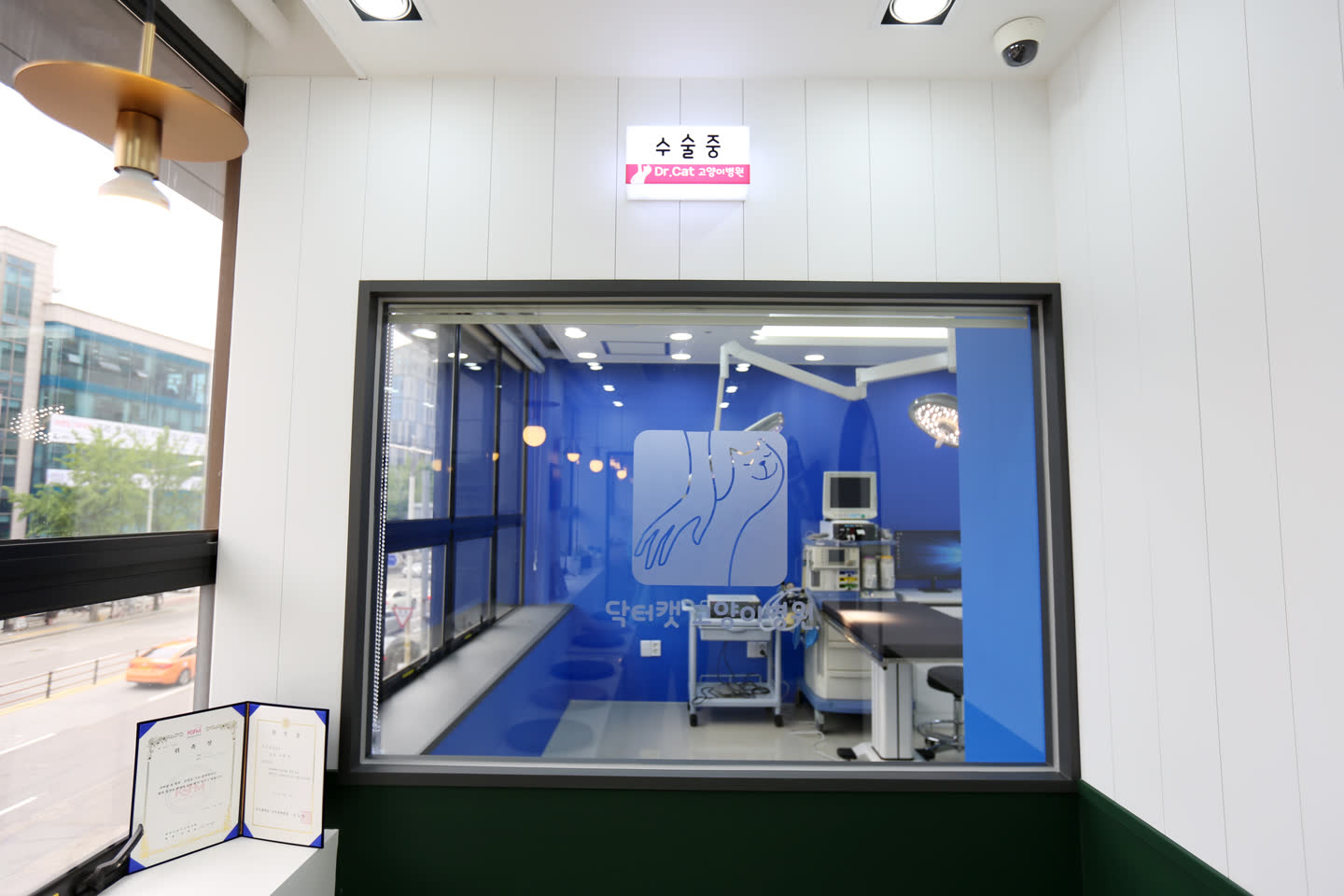
A visible operating room
When no surgery is underway, the operating room can be seen from the waiting area.
- Principle
Cat Friendly Staff
Staff who understand feline behavior and signals support both care and hospital stays.
Konkuk University partner hospital
As a partner hospital of the Konkuk University College of Veterinary Medicine, we take part in students' clinical training.
“A place for hands-on student education and for the advancement of veterinary clinical practice”
A gift of cat grass
We grow cat grass by the hospital window. Ask at reception if you would like some to take home.
- Helps hairballs pass.
- Rich in fiber, it helps prevent constipation.
- A new taste that cats enjoy.
- Helps prevent obesity.
Key services
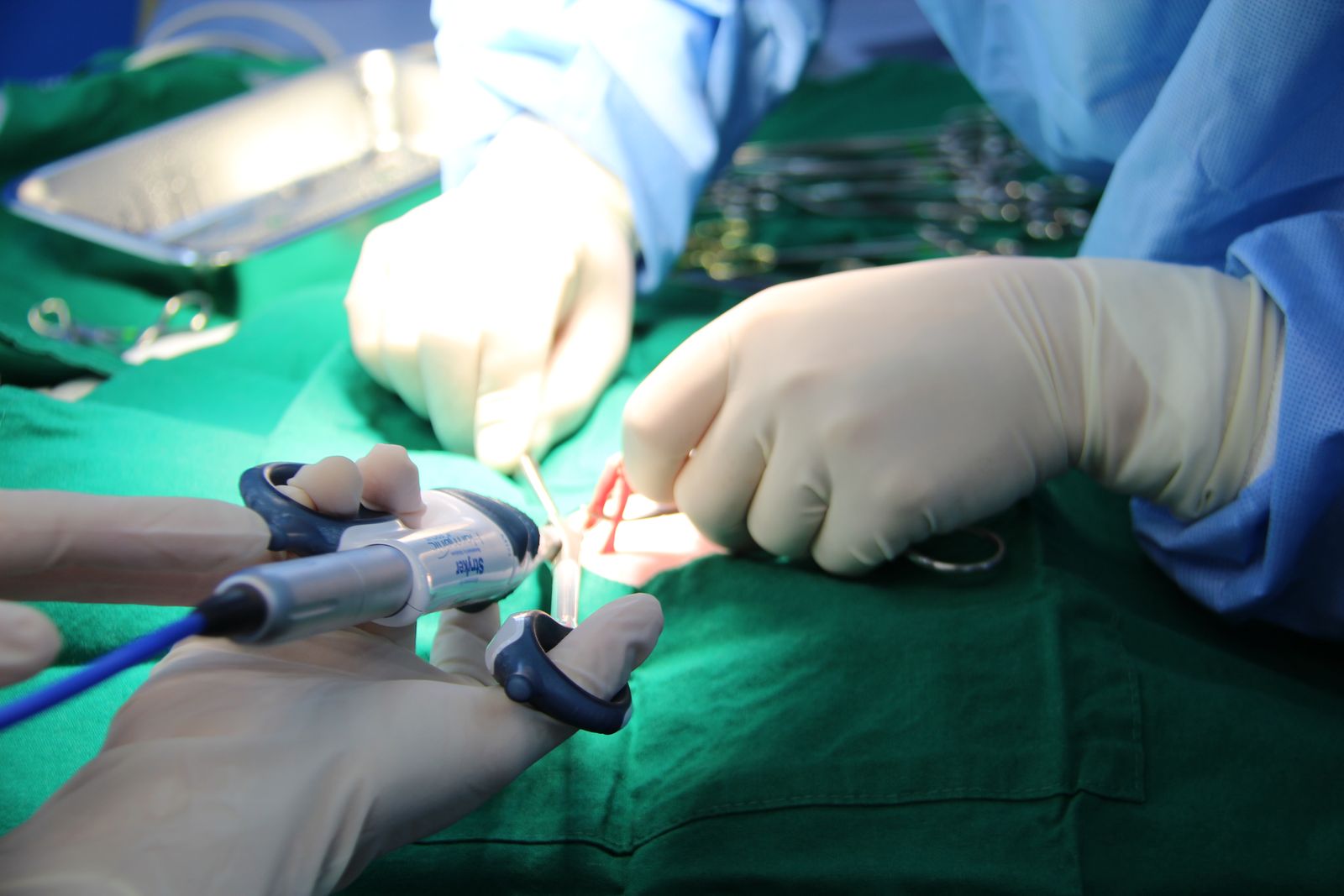
Spay/Neuter & Preventive Care
With 27 years of spaying and neutering cats, we focus on small incisions, less bleeding and pain control. Cats come in the morning and go home in the afternoon, and we also guide you on vaccinations and parasite control.
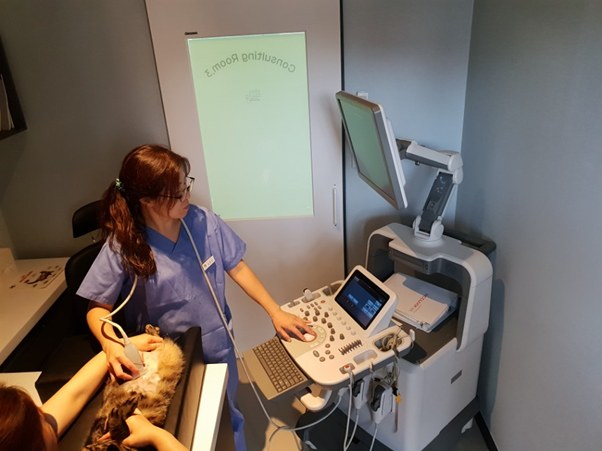
Feline Check-up Center
Cats are good at hiding illness. With 27 years of treating only cats, we build each check-up around your cat's age and condition to find hidden disease early.
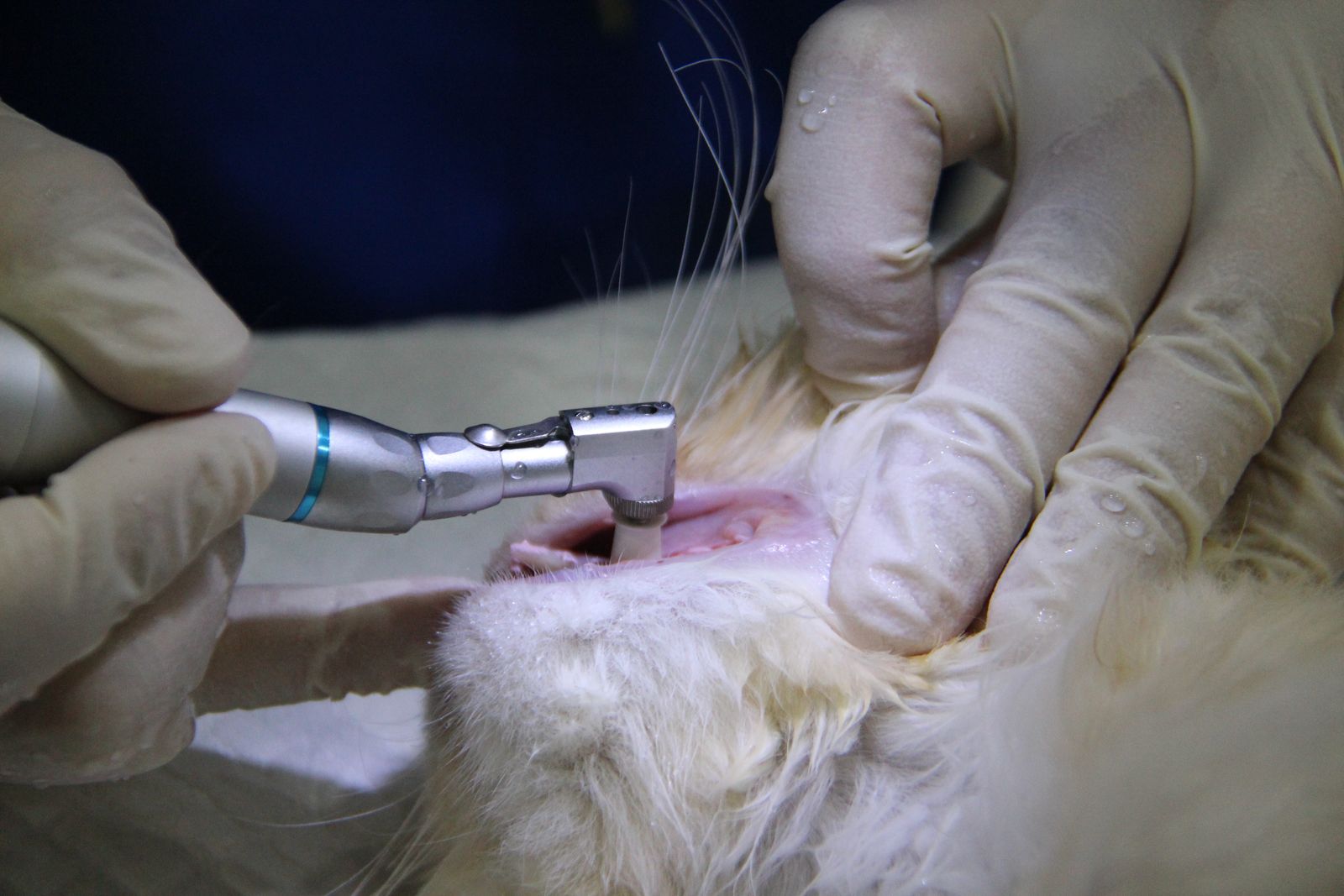
Feline Dental Center
Dental disease in cats is often hidden from view. We take care at every step, from consultation to testing, treatment and recovery.
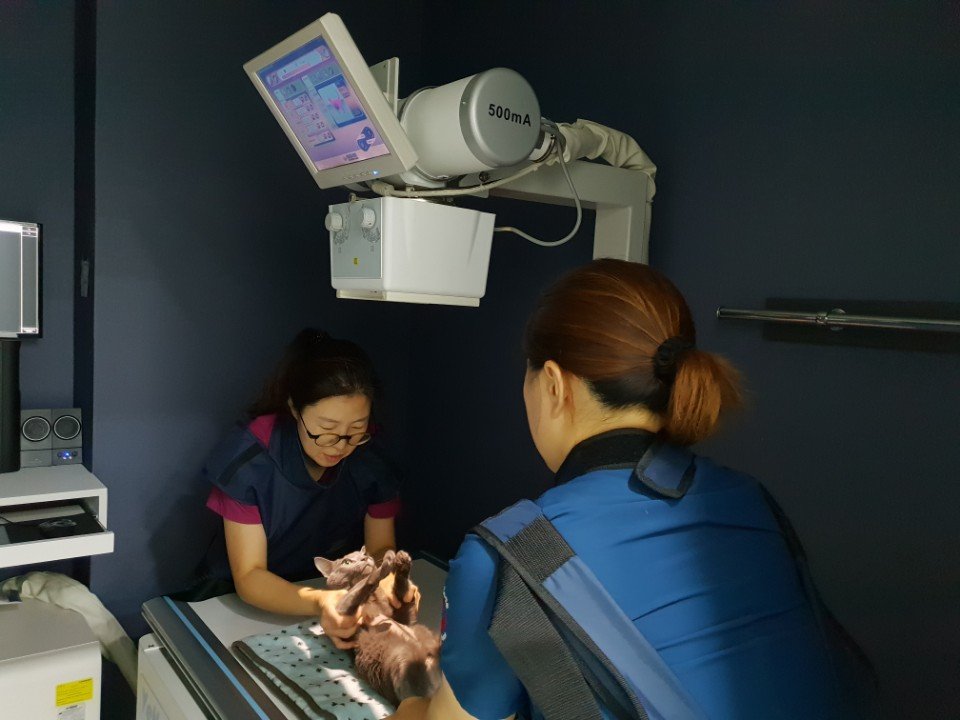
Feline Heart Center
Heart disease in cats is often inherited and shows no symptoms until sudden death. Diagnosing heart problems early and managing them improves quality of life and extends life.
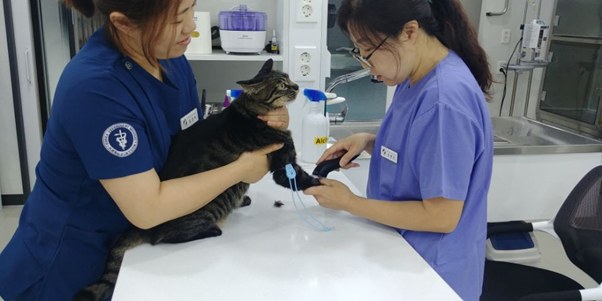
Feline Infectious Peritonitis (FIP) Center
FIP has unclear symptoms and is easily mistaken for other diseases. We diagnose and treat it with 27 years of diagnostic experience. Today it is a disease worth treating, not giving up on.
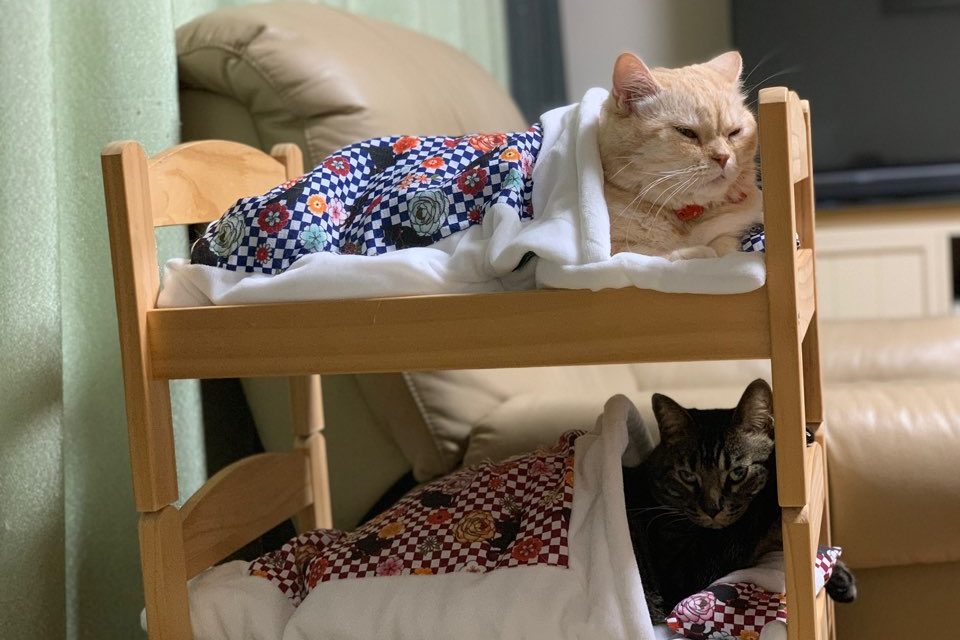
Senior Cat Clinic
After age 7, cats slow down and chronic disease can begin. We look for signs of illness in small changes that are easy to dismiss as "just getting old".
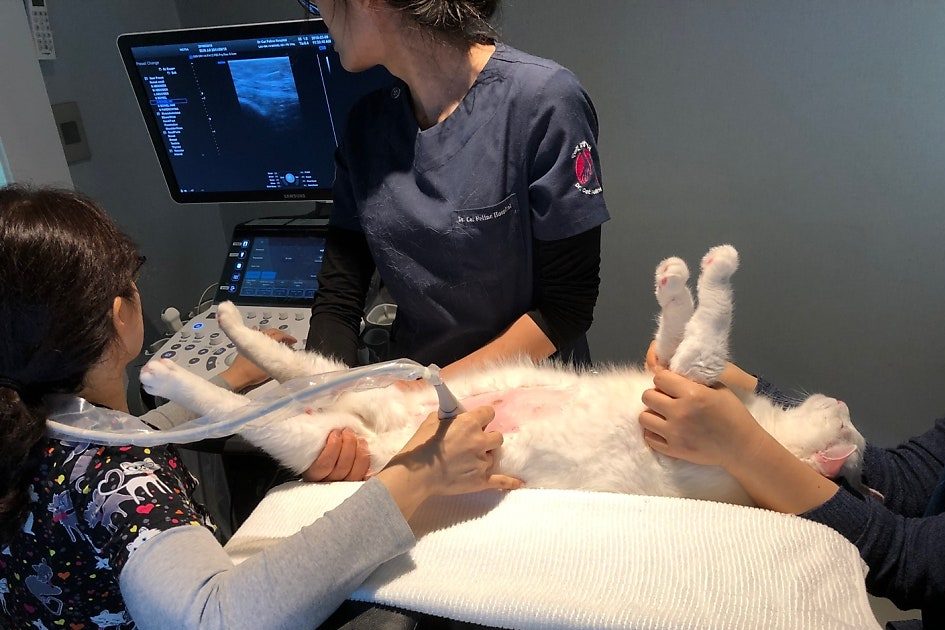
Feline Kidney Disease
Chronic kidney disease is the most common chronic illness in cats. There are few signs until much of the kidney function is lost, so early testing matters.
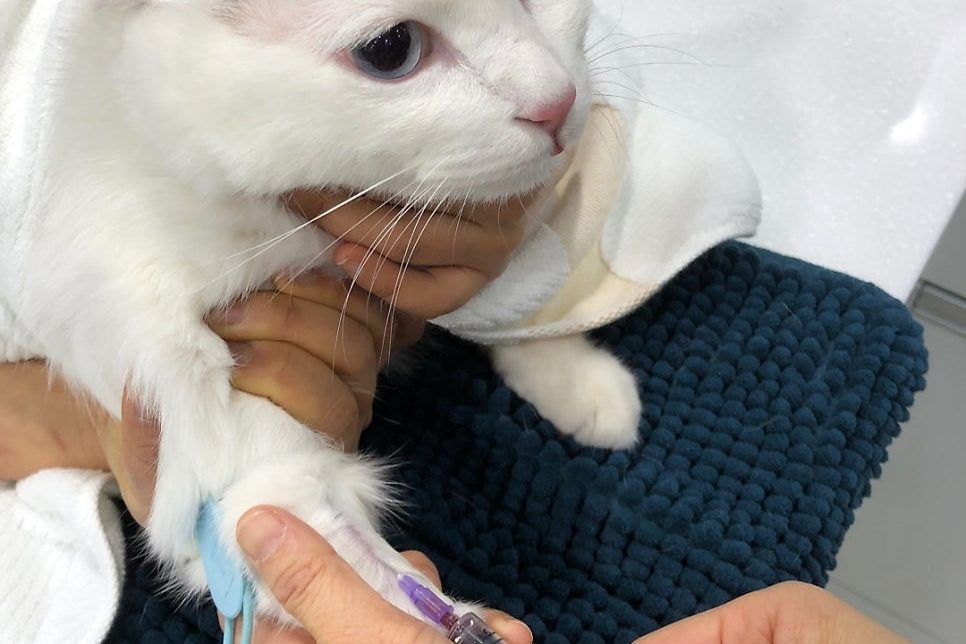
Feline Diabetes & Thyroid Disease
If your cat drinks a lot and eats well but still loses weight, diabetes or hyperthyroidism may be the cause. The earlier treatment starts, the better the chance of improvement.
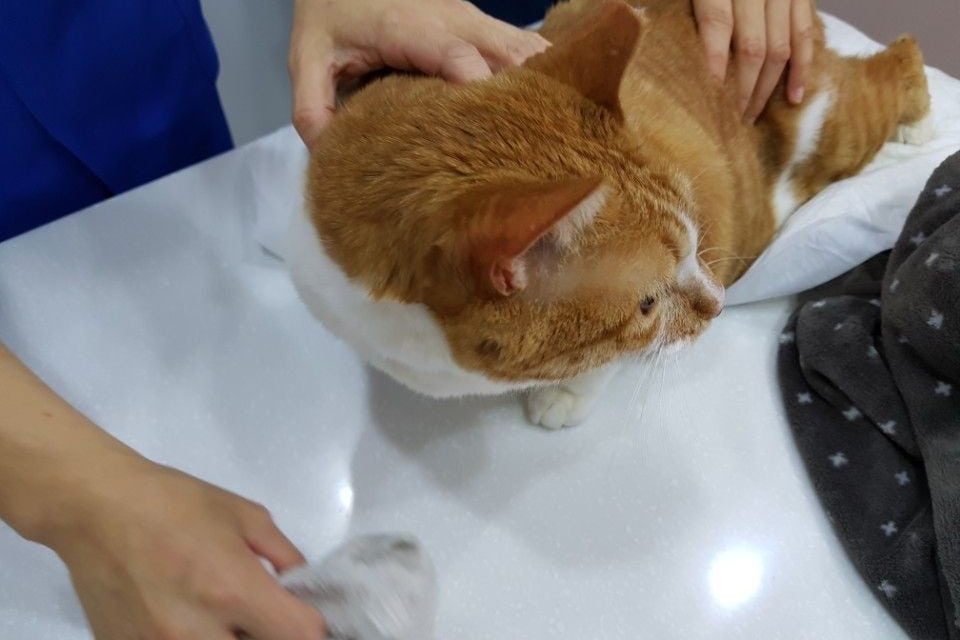
Feline Tumors
Don't ignore even a small lump. Tumors in cats are often malignant, so early detection and an accurate diagnosis matter.
Certifications & academic activity
Only items confirmed by the hospital will be listed.
Booking
All visits at Dr. Cat are by appointment. Booking ahead keeps waiting to a minimum, so your cat feels far less stress. Please call us to book before you visit.